
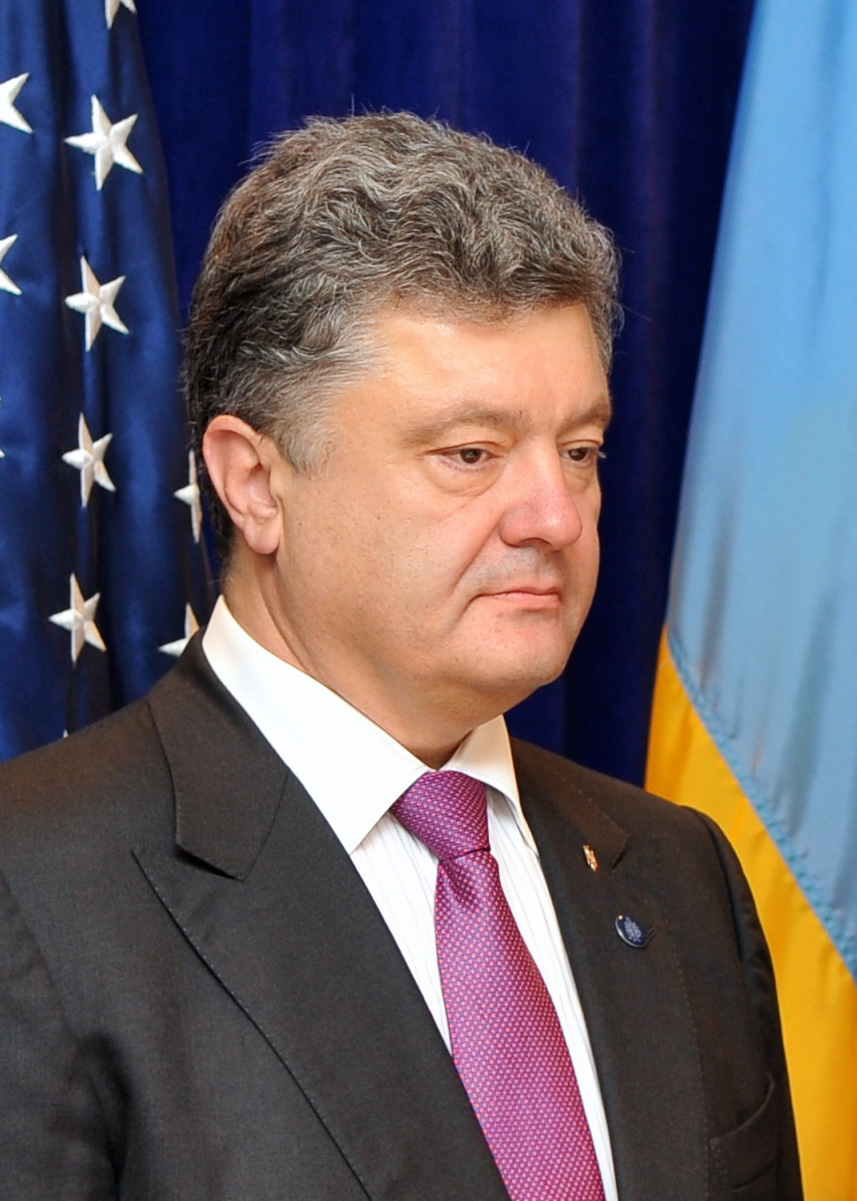
 Recently it was announced the new leader of Ukraine would be billionaire chocolatier and media mogul Petro Poroshenko. The ‘Chocolate King’ outperformed his closest opponent, former Prime Minister Yulia Tymoshenko, by taking close to 55% of the national vote, enough to win the election outright. Poroshenko is best known as being the CEO of Roshen Confectionery Corporation who takes in close to $1 billion per year and employs upwards of 10,000 people. Aside from his business endeavors, Poroshenko is a well-entrenched politician who has served the Ukrainian government as an MP, worked as a foreign minister, and was the chairman of the Ukrainian National Security and Defense Council. While Poroshenko was visibly excited about winning the election, the uncertain future of Ukraine lingered in the background of the celebrations.
The elections themselves were marred by nearly 75% of polling stations being closed in the pro-Russian controlled eastern regions of Donetsk and Luhansk. On Monday, just a day after the elections, Donetsk Airport turned into the site of the bloodiest and most recent skirmish between the Ukrainian government and pro-Russian separatist forces. Ukraine deployed helicopters to fight off the rebel’s attempts to take the country’s second largest airport. Arsen Avakov, Ukraine’s interior minister, claimed that the action was a comprehensives success with the enemy suffering heavy losses. Alexander Lukyanchenko, self-appointed mayor of Donetsk, reported the total number of dead was around 40, including two civilians. There was no certainty as to the political affiliation of the other 38 killed but the enthusiasm of the Ukrainian government suggests losses were heavily pro-separatist.
Poroshenko believes government victories like this define the future of the conflict. The president elect has been quoted expressing his intentions to act swiftly and strongly against ‘terrorists’ and pro-Russian separatists. He hopes for peaceful negotiations but presents an aggressive timeframe that, “cannot and should not last two or three months, It should and will last hours."
Poroshenko’s words are exemplified by Ukraine’s increasing willingness to deploy more frequent and aggressive anti-terrorist tactics against separatist forces. Eastern militants are starting to feel the pressure not only from Kiev, but also from Moscow, who claims they will respect the outcome of the elections and work with the new Ukrainian president to restore order in the region. Putin claims he has been moving his 40,000 strong force away from the Ukrainian border. As Russia takes its time retreating from the border, it becomes clear to rebels they are losing a confidant and supporter in the Kremlin, and possibly their hopes of independence or Russian inclusion.
There are some good signs for ethnic Russians in the east, however. Poroshenko has conceded the fact that despite his pro-EU stance, Ukraine will always be linked to Russia and will continue to work with them in a constructive manner. CNN quotes Poroshenko during an address to his supporters regarding all people from Ukraine as having, ‘…the right to speak any language they want. The right to elect the leaders they want. The right for the decentralization of power.’ This will surely upset some of those who participated in the Maiden protests, but it is a political reality that the ‘chocolate king’ is prepared to work within. Poroshenko realizes that in his pursuit of European inclusion, which has now come to be defined through membership in the European Union, Ukraine will always have interests anchored in their relationship with Russia.
Poroshenko appears to have a realistic view of Ukraine’s future and their precarious relationship between Russia and the West. He has been decisive in his words and takes moderate stance that is necessary for progress. Despite the fact that Poroshenko may be an able leader, the people are eager to just move on. When one voter was asked who she was going to vote for, she noted her support for Poroshenko simply because he was the frontrunner and she wished for the ‘race to be settled as soon as possible’.
These elections are step forward in restoring normality in the region but there are some things that must be considered for the future of the country. First, while Russia claims they will work with the new government, Moscow still insists there be no drastic action taken against Russian nationals and will not tolerate inappropriate use of force against ethnic Russians in eastern Ukraine. Secondly, why would people who have just overthrown an extremely rich oligarch in Viktor Yanukovych be so eager to elect anothe leader who is regularly referred to as an oligarch and has aquired personal wealth rivaling that of the former President? What will keep Poroshenko from reaching the same level of corruption as Yanukovych did, especially considering that Ukrainian politics still struggles with corruption issues? Does Ukraine really feel this new president has their best interests in mind with his pro-EU policies and realist view about relations with Russia, or do they simply think Poroshenko is a ‘Hollywood ending’ to their problems? Just like the Bucket family, the Ukrainian people are exhausted and disillusioned. Hopefully the ‘Chocolate King’ is their golden ticket.


